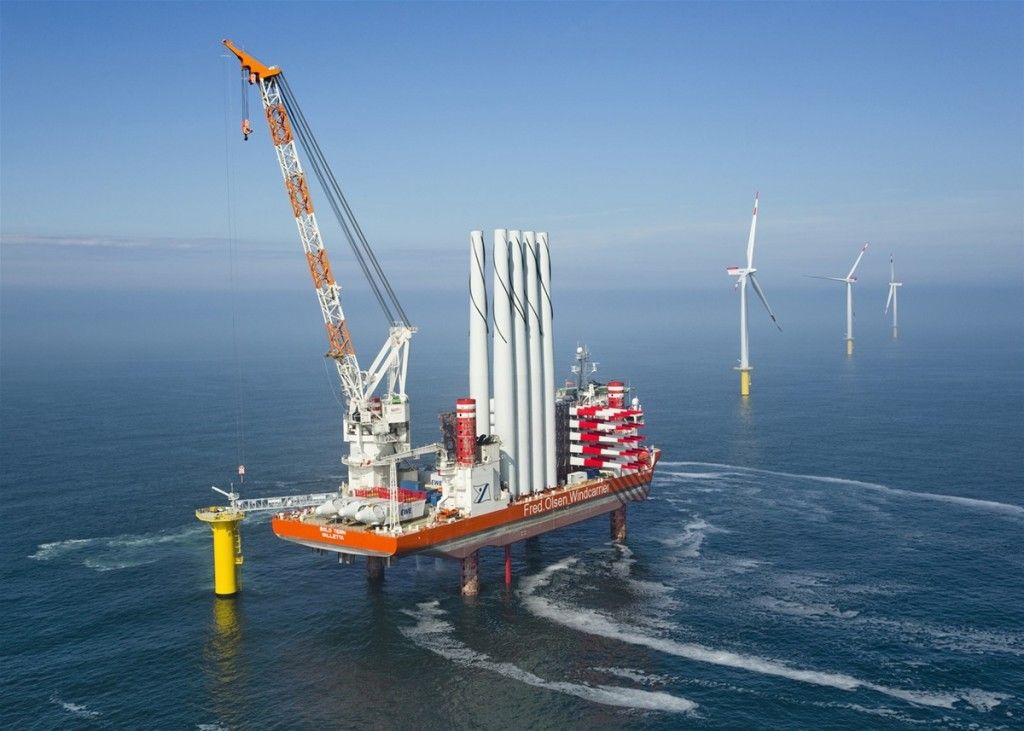
Offshore installations, such as oil platforms, wind farms, and subsea pipelines, play a critical role in global energy infrastructure. However, climate change poses a growing threat to their long-term sustainability and safety. One of the most significant impacts of climate change is the increasing intensity of extreme weather events, including high waves, rising sea levels, and more frequent storms. These changes are forcing engineers and operators to rethink the design, operation, and resilience of offshore installations.
The Growing Threat of High Waves and Extreme Weather
Increased Storm Intensity:
Climate change is leading to more powerful and frequent storms, especially in regions like the North Sea, Gulf of Mexico, and the coasts of Southeast Asia. With these storms come higher wind speeds, stronger ocean currents, and larger waves, all of which can damage offshore installations.
Wave heights are increasing due to rising ocean temperatures, which fuel storm systems and cause more violent wave formations.
Rising Sea Levels:
Global sea levels have risen due to thermal expansion (water expanding as it heats up) and the melting of polar ice caps. This rise not only increases the baseline water level but also allows larger waves to form, further endangering offshore structures.
Higher sea levels reduce the distance between wave crests and the platforms, increasing the risk of wave slamming—a forceful impact that can damage installations and threaten their stability.
Changing Ocean Currents and Wind Patterns:
As the climate changes, ocean currents and wind patterns are shifting, causing unpredictable wave dynamics. In some regions, this means stronger waves and currents, requiring installations to withstand higher forces than originally designed.
 Get a consultation